
Feb 19 2026 04:29
Nancy McCullar
When 14-year-old Emily (all names have been altered in this story to protect confidentiality) entered her third foster home in less than a year, she carried more than just a small bag of belongings.
She carried the weight of neglect.
She carried memories of domestic violence.
She carried emotions that often felt too big for her body.
Emily had been removed from her home due to neglect and had a history of witnessing violence between adults she depended on. Since entering foster care, her sadness often settled over her like a fog. She appeared withdrawn. Depressed. Overwhelmed.
And building trust didn’t come easily.
Her CASA volunteer, Lynda, knew that from the start.
As a Court Appointed Special Advocate, Lynda’s role is to be a consistent adult voice for Emily — in court and in life. But consistency doesn’t automatically equal connection. Especially for a child whose trust has been broken before.
“Some days, it felt like I was knocking on a door that wouldn’t open,” Lynda has shared with those supporting Emily’s journey. “But you don’t stop knocking.”
The Quiet Power of Showing Up
For months, Lynda showed up. She visited. She listened. She sat in the quiet when conversation didn’t come.
She noticed something important: outside of school, Emily rarely went outdoors. She didn’t have activities that belonged just to her. No outlet. No spark.
Over the holidays, Lynda decided to try something simple. She gave Emily a set of art supplies — sketchbooks, pencils, markers.
It wasn’t a grand gesture.
But it changed everything.
Emily’s posture softened when she opened the gift. She began drawing. And slowly, almost imperceptibly at first, she began talking more.
Art gave her hands something to do — and her heart something to say.
A Thread to Hold Onto
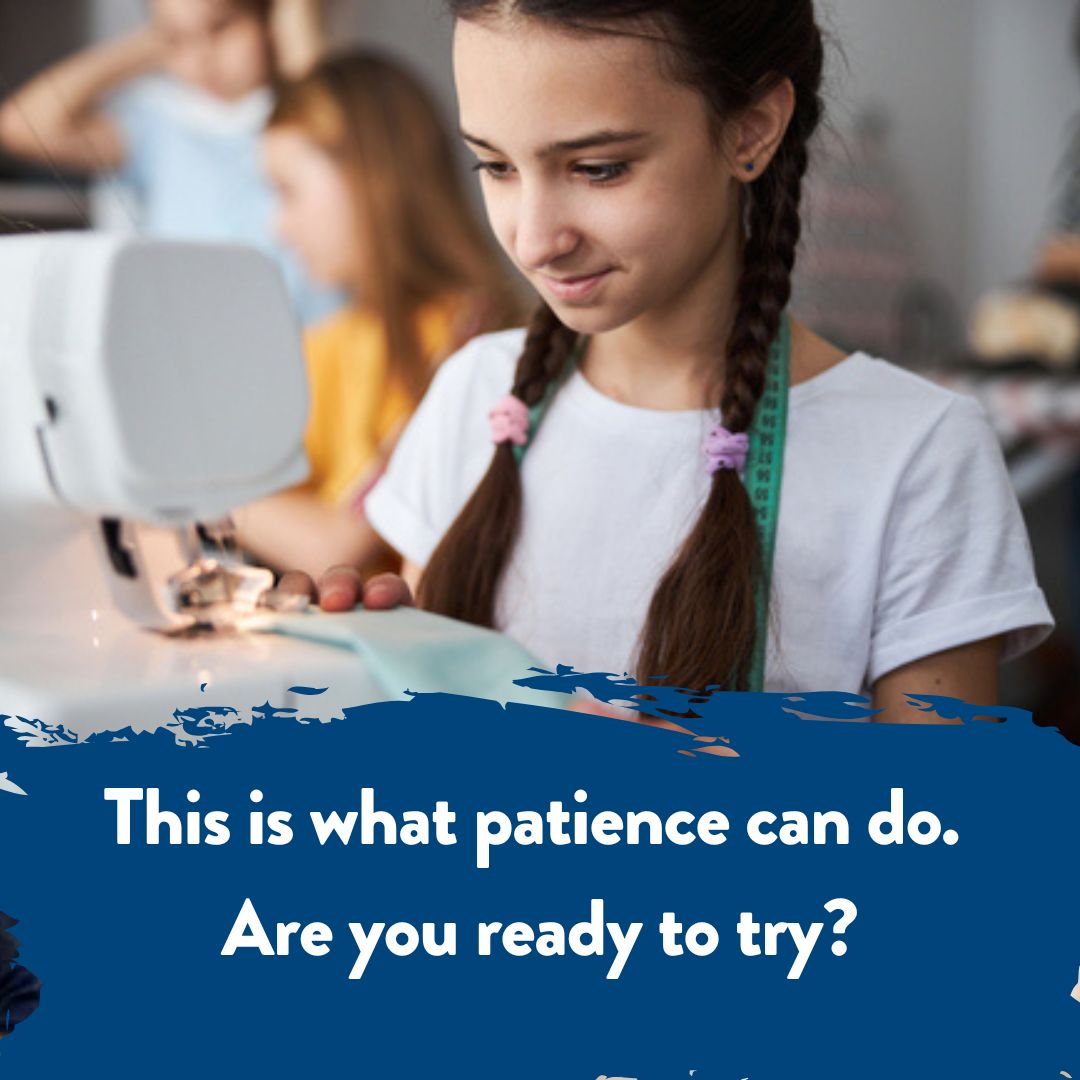
During one of their conversations, Emily mentioned something that caught Lynda’s attention: she liked to sew.
It was the first time she had expressed excitement about anything.
So they leaned into it.
Together, they went online and looked at sewing machines. Emily scrolled carefully, comparing styles and features, eventually choosing one she loved. Through CASA Berks’ Everson Special Needs Fund — created specifically to support foster children’s interests and developmental needs — the machine was purchased for her.
For a child who has experienced so much instability, being asked, Which one do you want? was powerful.
It meant her preferences mattered.
It meant someone was listening.
Stitch by Stitch
For the past six weeks, Emily has been using her sewing machine regularly. What started as tentative experimentation has turned into focused, joyful engagement.
She plans projects. She concentrates. She creates.
And something else is happening, too.
Lynda has noticed a shift — not just in Emily’s mood, but in her ability to manage her emotions. The outbursts that once overwhelmed her have softened. The sadness that once silenced her is less consuming.
Research supports what Lynda is witnessing firsthand. Creative arts — including drawing and sewing — have been shown to help children who have experienced trauma regulate their emotions and rebuild a sense of control. Trauma can disrupt a child’s nervous system, leaving them stuck in patterns of hypervigilance or shutdown. Creative activities engage the brain in ways that promote calm focus, problem-solving, and self-expression.
When children create, they aren’t just making art.
They’re organizing feelings.
They’re reclaiming agency.
They’re telling their story — even without words.
For youth who have witnessed violence or experienced neglect, creative outlets provide a safe space to process complex emotions. The repetitive motions of sewing — guiding fabric, pressing a pedal, watching something come together piece by piece — can be deeply regulating. It offers predictability. Mastery. Completion.
For Emily, it offers something else: pride.
The Beauty of Patience
What makes this story remarkable isn’t just the sewing machine.
It’s the patience.
Lynda didn’t rush the relationship. She didn’t force conversation. She didn’t mistake silence for failure.
She stayed.
In the foster care system, children often experience adults coming and going. Patience is more than kindness — it’s healing. It teaches a child that they are worth the wait.
Now, when Lynda visits, there’s more laughter. More talking. More sharing of projects in progress.
Emily is still navigating hard things. Healing isn’t linear. But she is reconnecting — to her creativity, to her voice, and slowly, to the people around her.
All because one volunteer kept showing up… and followed the thread of what made her light up.
Sometimes, hope doesn’t arrive in big dramatic moments.
Sometimes, it hums quietly on a sewing machine — stitch by stitch — as a young girl begins to believe she can create something beautiful from what she’s been given.